Researchers have found that infant siblings of children with autism can show symptoms of autism spectrum disorder (ASD) before their first birthday.
Background
A remarkable study by Graupner and Sallows (2017) of the Wisconsin Early Autism Project on early identification of autism suggested that symptoms of autism — such as lack of eye contact, lack of smiling, reciprocal cooing, and babbling — can emerge as early as the first two months of life.
In the Wisconsin study, 14 babies were identified as symptomatic prior to the age of 6 months and received 15 to 40 hours of 1:1 early intensive behavioral intervention (EIBI) from a therapist. Of the 14 who showed symptoms, 13 showed no symptoms by 24 months after their treatment.
Early Markers of Autism Study
Dr. Rebecca MacDonald, a long-time senior program director at NECC, replicated this study at NECC. Dr. MacDonald and her team have spent the last few years documenting the early emergence of autism symptoms in high-risk infant siblings less than 6 months old. The research team even developed an Early Markers of Autism (EMA) assessment tool for young infants from data collected in the study. While Dr. MacDonald retired in the summer of 2023, the study continues under the direction of:
Dr. Erin Michaud, CCC-SLP, BCBA-D, LABA (principal investigator)
Sally Dupere, MS, BCBA, LABA

Published Case Study 2025
In late 2025, the first published study from the EMA Project highlights the transformative potential of identifying and addressing signs of autism during infancy.
The case study follows a child who exhibited early indicators of autism in infancy and received intervention well before a diagnosis would typically be possible. Through parent coaching and intensive early intervention, the child made significant developmental gains and no longer met criteria for autism by age 2.
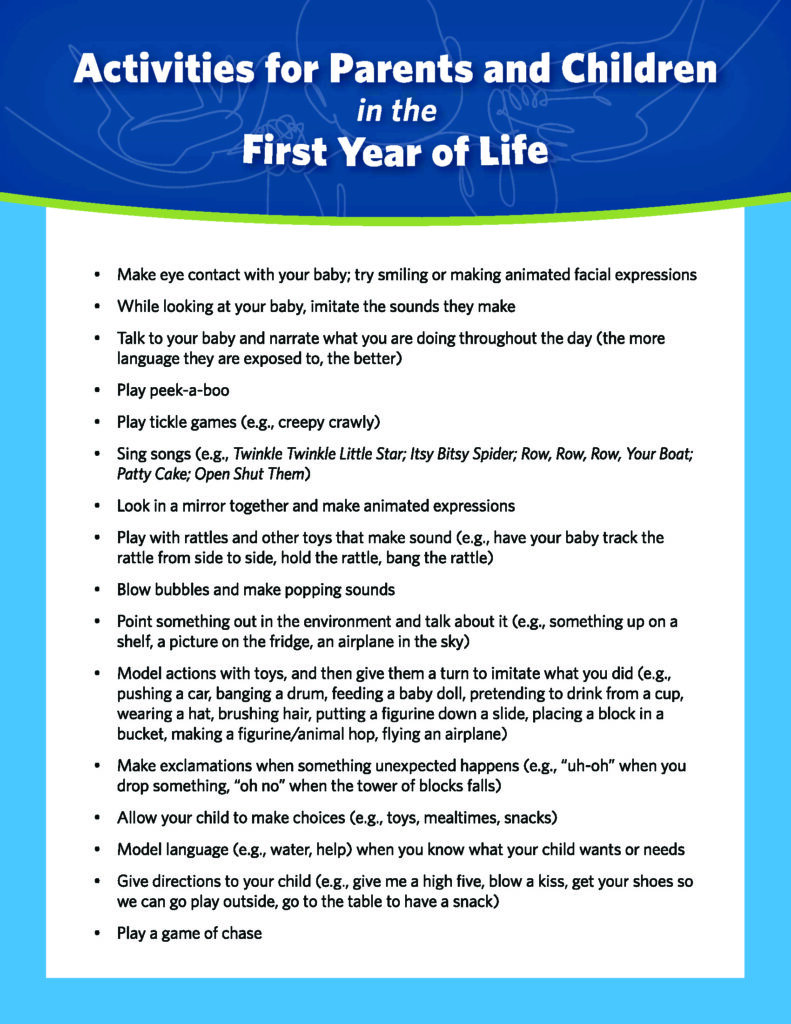
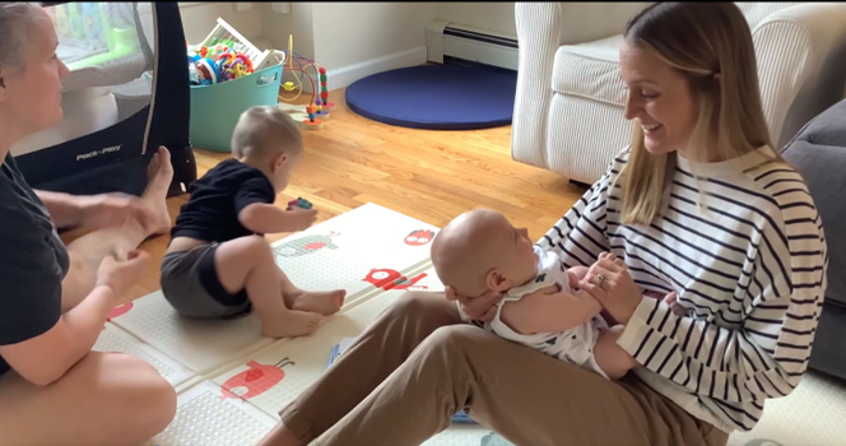
As part of the study, researchers monitored early social communication behaviors that are foundational to later development. The team looked for markers such as eye contact, social smiling, response to name, vocalizations, imitation, and early joint attention skills. Intervention initially focused on increasing social engagement between the child and caregivers through individualized parent coaching during the first year of life. Parents were taught strategies to encourage social interaction, communication, and play skills throughout everyday routines.
Following an early autism diagnosis, clinicians worked with the child for 25 hours/week and taught strategies to the caregivers. By embedding learning opportunities into daily activities and across settings, the intervention helped strengthen developmental skills during a period of rapid brain growth.